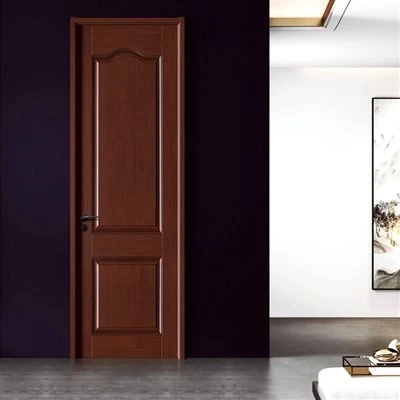
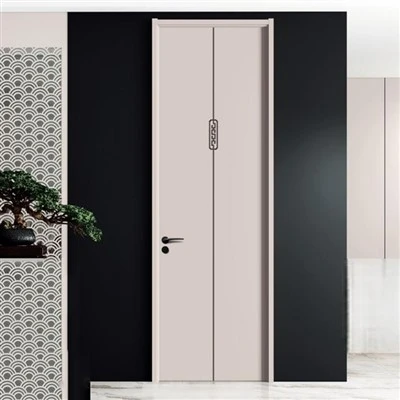
Graphite Plywood Door Board
Description
Technical Parameters
Chongqing Qianrun New Material Technology Co., Ltd. is a company engaged in new material technology research and development, technical services, technology development and other businesses. The company's main products: Melamine wood door, decorative panel, door skin, engineered veneer and other products.
Rich Product Range
Our company can produce graphite waterproofing sheets, graphite door panel laminates, graphite high density molded door panels, melamine molded door skins, melamine door skins, wooden door panels, plywood door skins and more.
Leading Service
We have many years of industry experience and a complete production management, quality supervision, sales service operation system. Whether you are looking to purchase graphite flashing or wooden door panels, just email your requirements and we can customize the product for you.
Quality Guaranteed
The sapphire health-care door skin exclusively developed by our company meets the environmental protection standard of the wooden door industry - enf level, and the formaldehyde emission is far lower than E0 level and E1 level.
Customizable
All our products can be OEM/ODM customized. Whether it's intricate patterns, beveled edges or unique sizes; our processing capabilities allow us to create custom designs and customize our products.

Birch graphite door board is an engineered wood product specifically designed for use in the construction of interior or exterior doors. It consists of birch plywood, which is a high-quality wood panel made by gluing together thin layers of birch wood veneer with the grain of each layer running perpendicular to the next for added strength.

Wooden Door Graphite Board Plywood
Wooden Door Graphite Board Plywood refers to a type of engineered wood product used in the construction of wooden doors that combines the benefits of plywood with the advantages of graphite infusion. Plywood is a material made by gluing together thin layers of wood veneer with the grain of each layer oriented at right angles to adjacent layers for added strength and stability.

Fire Rated Water-Resistant Door Boards
Fire-rated water-resistant door boards are specialized building materials designed to provide protection against fire and water ingress. These door boards are engineered to meet stringent safety standards and are typically used in environments where there is a high risk of fire or exposure to water, such as in industrial settings, basements, exteriors, or areas prone to flooding.

Modern graphite door boards incorporate advanced materials and manufacturing techniques to produce high-performance doors. These door boards typically feature a core made of MDF, plywood, or particleboard, which is then faced with a decorative veneer or a laminate that includes graphite.

Graphite Door Board Laminate refers to a laminate material that is infused or coated with graphite particles or has a layer of graphite integrated into its composition. This lamination is then applied to door boards, which are the structural components of a door that provide rigidity and support. The purpose of incorporating graphite into the laminate is to impart certain desirable properties to the door board, such as enhanced strength, reduced friction, improved thermal insulation, or increased resistance to wear and tear.

Wood Veneer Graphite Door Boards
Wood veneer graphite door boards refer to a type of interior or exterior door construction where thin layers of wood (veneer) are applied over a core material, which may be made of medium-density fiberboard (MDF), plywood, or another engineered wood.

Graphite Hdf Moulded Door Board
Graphite hdf molded door board is a versatile building material that combines the properties of graphite with the durability and water resistance required for a variety of applications. These boards typically consist of a mixture of graphite particles and a binder, such as resin or cement, that is pressed and cured to form a solid board.

Model: W01,W05(Left and right)
Color: Raw Wood No.1 (Synchronous Molding)
Material: Graphite Water-Resistant Board
Surface Function: Formaldehyde-free/Water-Resistant
Board Size: 2250mmX920mm
What Is Graphite Plywood Door Board
Graphite plywood door board is an advanced engineered wood product designed for use in high-performance door applications. It is created by taking standard plywood, which is made by bonding multiple thin layers of wood (veneers) together with the grain directions alternating for increased strength, and incorporating graphite into the structure.
Features of Graphite Plywood Door Board
Strength and Durability
Graphite's inclusion can enhance the mechanical strength of the plywood, making it more resistant to impact and wear over time. This means that graphite plywood door boards can withstand heavy use and resist cracking or breaking.
Moisture Resistance
Graphite has low water absorption properties. When incorporated into plywood, it can help the door board resist warping, cupping, or other forms of damage caused by exposure to moisture or changes in humidity levels.
Dimensional Stability
Plywood can expand or contract with temperature and humidity changes, but graphite can help minimize these movements. This results in a door board that maintains its shape and size more consistently, which is crucial for precise fitting and long-term performance.
Soundproofing
The density and composition of graphite can contribute to its ability to dampen sound. Graphite plywood door boards can therefore improve the acoustic insulation of a door, helping to reduce noise transfer between rooms or from the outside environment.
Types of Graphite Plywood Door Board
Structural Plywood
Structural plywood, also known as sheathing plywood or construction plywood, is a type of plywood specifically manufactured and graded for structural applications in construction. It is made to be as strong as possible. However, it has a lot of knots and roughness and will take a lot of work to make it look good in a project.
Sanded Plywood
Sanded plywood or softwood plywood is made up of two outer plies that are sanded during the manufacturing process. This makes a great, uniform surface that can be readily painted.
Hardwood Plywood
Hardwood plywood, also called cabinet grade plywood, has a core of regular veneer plies, with two outer surfaces veneered with hardwood for great-looking projects.
Baltic Birch Plywood
Baltic birch plywood has a core veneer that is completely free of voids and is 11-ply or higher. It is great for furniture or pieces where you want an exposed plywood edge.
Quality of Graphite: Look for door boards that use high-quality graphite, as this will determine the extent of benefits such as reduced friction, improved insulation, and durability.
Manufacturing Process: Research the manufacturer's reputation and the process they use to integrate graphite into the plywood. A well-established and reputable company is likely to produce a higher quality product.
Graphite Distribution: Prefer door boards where the graphite is evenly distributed throughout the plywood, as this ensures consistent performance across the entire board.
Density and Thickness: The density and thickness of the door board affect its strength, insulation properties, and overall performance. Choose a door board that is thick and dense enough to meet your requirements.
Finish and Aesthetics: Select a door board with a veneer finish that matches your desired aesthetic and complements your home's interior design.
Durability and Warranty: Look for door boards that come with a warranty, as this can indicate the manufacturer's confidence in the product's durability.
Moisture Resistance: If the door will be exposed to moisture or high humidity, choose a graphite plywood with enhanced moisture resistance.
Soundproofing
If soundproofing is a priority, opt for a door board with a denser graphite content or a specialized acoustic core.
Thermal Insulation
For improved energy efficiency, select a door board with good thermal insulation properties, which graphite can enhance.
Environmental Impact
Consider the environmental impact of the product, including the sourcing of materials and the manufacturing process. Look for certifications that indicate sustainability and eco-friendliness.
How To Install Graphite Plywood Door Board
Prepare the Areas: Clear the area around the door where you'll be working. Remove any obstacles and ensure there is enough space to maneuver.
Gather Tools and Materialss: Collect all the necessary tools and materials for the installation. This typically includes the door boards, screws or nails, a drill or hammer, a screwdriver, a level, and a measuring tape.
Measure and Cuts: Measure the dimensions of the door opening and the door boards. If necessary, cut the door boards to the appropriate size using a saw.
Position the Door Boardss: Place the door boards in position on the door frame, ensuring they fit snugly and align properly with the edges of the door opening.
Pre-Drill Holess: Use a drill to pre-drill holes for the screws or nails. Make sure the holes are slightly smaller than the diameter of the screws or nails to provide a secure fit.
Attach the Door Boardss: Secure the door boards to the door frame by either screwing or nailing them in place. Start by attaching the top of the door board, then the sides, and finally the bottom. Use a level to ensure the door boards are straight and level.
Fill Holes and Sands: If using screws, fill the screw holes with wood filler and allow it to dry. Once dry, sand the filled holes until smooth.
Finishs: Apply any desired finish or paint to the door boards according to your preference. Allow the finish to dry completely before proceeding.
Install Hardwares: Install any hardware such as hinges, doorknobs, and locks according to the manufacturer's instructions.
Test the Doors: Test the door to ensure it opens and closes smoothly without any issues.
Final Adjustments: Make any final adjustments as needed to ensure the door functions correctly and looks aesthetically pleasing.
Regular Cleaning
Dust and dirt can accumulate on the surface of the door boards over time. Clean them regularly with a soft, damp cloth or sponge to remove any debris. Avoid using harsh chemicals or abrasive cleaners, as these can damage the surface of the door boards.
Avoid Moisture
Graphite plywood is relatively resistant to moisture, but prolonged exposure to water can still cause damage. Wipe up any spills or splashes immediately to prevent moisture from seeping into the wood fibers. Also, ensure that the door boards are installed in areas with proper ventilation to prevent moisture buildup.
Protect From Sunlight
Direct sunlight can cause fading and discoloration of the door boards over time. If possible, install curtains or blinds to block out sunlight during the brightest parts of the day. Alternatively, consider applying a UV-resistant finish to the door boards to help protect them from sun damage.
Inspect Regularly
Periodically inspect the door boards for any signs of damage or wear, such as scratches, dents, or peeling. Address any issues promptly to prevent further damage and maintain the appearance of the door boards.
Protective Coating
Consider applying a protective coating, such as a clear sealant or varnish, to the door boards to enhance their durability and resistance to wear and tear. Be sure to follow the manufacturer's instructions for application and reapplication as needed.
Avoid Impact and Abuse
Be careful when moving furniture or objects near the door boards to avoid causing scratches or dents. Avoid slamming the door, as this can cause damage to the door boards and hardware.
Maintain Hardware
Regularly inspect and maintain the hardware, such as hinges, doorknobs, and locks, to ensure they are functioning correctly. Lubricate moving parts as needed to prevent friction and wear.
Certificate


Frequently Asked Questions
Q: What is graphite plywood, and how is it different from regular plywood?
Q: How is graphite plywood manufactured, and what are the benefits of this process?
Q: What are the insulation properties of graphite plywood door boards?
Q: How does the durability of graphite plywood door boards compare to other materials?
Q: What are the environmental benefits of using graphite plywood door boards?
Q: Can graphite plywood door boards be customized to meet specific design requirements?
Q: How do you install graphite plywood door boards?
Q: What maintenance is required for graphite plywood door boards?
Q: How does graphite plywood perform in extreme climates?
Q: Are there any limitations to using graphite plywood door boards?
Q: Can graphite plywood door boards be used for outdoor applications?
Q: How does graphite plywood's fire resistance compare to other materials?
Q: Can graphite plywood door boards be recycled or repurposed?
Q: How does graphite plywood's acoustic performance compare to other materials?
Q: Can graphite plywood door boards be painted or stained?
Hot Tags: graphite plywood door board, China graphite plywood door board manufacturers, factory
Previous
No InformationSend Inquiry