


Chongqing Qianrun New Material Technology Co., Ltd. is a company engaged in new material technology research and development, technical services, technology development and other businesses. The company's main products: Melamine wood door, decorative panel, door skin, engineered veneer and other products.
Rich Product Range
Our company can produce graphite waterproofing sheets, graphite door panel laminates, graphite high density molded door panels, melamine molded door skins, melamine door skins, wooden door panels, plywood door skins and more.
Leading Service
We have many years of industry experience and a complete production management, quality supervision, sales service operation system. Whether you are looking to purchase graphite flashing or wooden door panels, just email your requirements and we can customize the product for you.
Quality Guaranteed
The sapphire health-care door skin exclusively developed by our company meets the environmental protection standard of the wooden door industry - enf level, and the formaldehyde emission is far lower than E0 level and E1 level.
Customizable
All our products can be OEM/ODM customized. Whether it's intricate patterns, beveled edges or unique sizes; our processing capabilities allow us to create custom designs and customize our products.


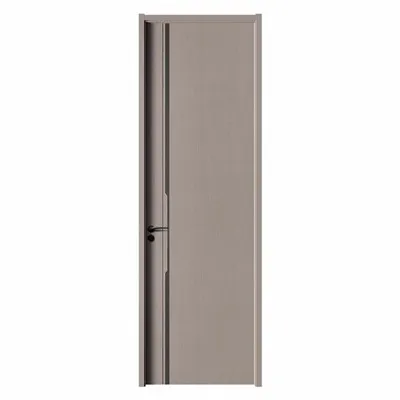


What Is Melamine Wooden Door
A melamine wooden door is a type of interior door that utilizes melamine as the finish on the surface of a core material, which is typically medium-density fiberboard (MDF) or plywood. Melamine is a chemical compound that, when combined with formaldehyde, forms a resin that is then applied to particleboard or MDF to create a durable, smooth surface that is resistant to moisture, stains, and scratches.
Features of Melamine Wooden Door
Lightweight
Melamine boards are lightweight, mildew-proof, fire-proof, heat-resistant, earthquake-resistant, low-maintenance, renewable, fully in accordance with the defined policy of energy conservation, consumption management, and environmental conservation.
Variety of Design Styles
Melamine comes in a variety of textures and genuine wood grains, and melamine panels are a low-cost, versatile alternative for integrating color, complexity, as well as finishes to various projects and designs.
Low Cost
Melamine is a low-cost solution that does not sacrifice quality or durability. It can help you save a lot of money and time during installation as it does not require sanding or finishing like real wood.
Durable
Melamine as a material is scratch and abrasion resistant which means your cabinets won’t damage easily. Melamine doors are also strong and durable which makes them perfect for kitchen use and means that they will hold up over the years and you will not need to replace them often.
Types of Melamine Wooden Door
Flush Doors
These are flat and smooth on both sides, providing a clean, modern look. They are often used in contemporary designs due to their simplicity and ease of customization with different melamine finishes.
Raised Panel Doors
These doors have a panel that protrudes slightly from the rest of the door surface, giving them a more traditional or classic appearance. The panels can be square, rectangular, or arched, and they can be placed at the top, bottom, or center of the door.
Veneer Layered Doors
Although not purely melamine, these doors have a melamine surface over a core material, with a real wood veneer applied to give the appearance of a solid wood door. This combination offers a balance between the durability of melamine and the natural aesthetics of wood.
Hollow Core Doors
Constructed with a hollow center, these doors are lightweight and cost-effective. The inner void is often filled with cardboard honeycomb or other materials to provide some degree of sound insulation.
Solid Core Doors
These doors have a solid timber or composite core, providing better sound insulation, security, and overall durability compared to hollow core doors. The outer surface is covered with melamine for protection and aesthetics.
Slab Doors
These are single, flat pieces of material with no framing or paneling. Slab doors made from melamine offer a minimalist look and can be paired with various hardware options to achieve a desired style.
Material Selection
High-quality wood is selected for the core of the door. The wood is typically engineered wood, such as MDF (Medium Density Fiberboard) or particleboard.
Cutting and Shaping
The selected wood is cut into the desired dimensions for the door. This includes cutting the core, as well as any additional components like rails, stiles, and panels.
Melamine Application
Melamine is a type of laminate that is applied to the surface of the wood to provide a durable and attractive finish. The melamine can come in a variety of colors, patterns, and textures.
Pressing
The melamine-coated wood pieces are assembled together to form the door. The door is then placed in a hydraulic press to apply heat and pressure. This process helps bond the melamine to the wood and create a strong, durable door.
Trimming and Sanding
After pressing, the doors are trimmed to their final dimensions and sanded to achieve a smooth surface. Any imperfections are also addressed during this stage.
Drilling and Machining
Holes for hardware such as hinges, doorknobs, and locks are drilled into the door. Any additional machining or detailing required for the design of the door is also done at this stage.
How to Choose Melamine Wooden Door
Consider Your Needs
Determine the purpose of the door and where it will be installed. For example, are you looking for an interior door for a residential space, or an exterior door for a commercial building? Understanding your requirements will help narrow down your options.
Evaluate Durability
Melamine doors are known for their durability and resistance to moisture, stains, and scratches. However, not all melamine doors are created equal. Consider the quality of the melamine laminate and how well it will hold up to daily wear and tear.
Examine Aesthetics
Melamine doors come in a variety of colors, patterns, and textures. Consider the overall aesthetic of the space where the door will be installed and choose a melamine finish that complements the existing decor.
Check Construction Quality
Inspect the construction of the door, including the quality of the wood core and the bonding of the melamine laminate. Look for any signs of defects or poor craftsmanship that could affect the durability and longevity of the door.
Evaluate Price and Value
Compare prices from different manufacturers and suppliers to ensure you're getting a competitive price for the quality of the door. Remember that while price is important, it's also essential to consider the long-term value and durability of the door.
How to Install Melamine Wooden Door


Check the Rough Opening
Place a 4-foot level on the floor in the doorway. If the hinge side is lower than the latch side, slip shims under the level nearest the hinge jamb. Adjust until the level’s bubble is centered. Tack the shims to the floor with a finish nail. If the latch side is lower, no shims are needed. Check the walls and the trimmer studs for plumb using a level or plumb bob. Also, check the trimmers’ faces with a framing square to see if they are square to the wall. Finally, check that the trimmers are parallel by measuring between them at the top, bottom, and middle of the opening.
Shim the Trimmers
On the hinge jamb, measure from the bottom of the jamb to the center of each hinge. Mark the hinge locations on the hinge-side trimmer by measuring up from the floor (or top of the shims). Tack the plumb bob to the top of the hinge-side trimmer, and measure the gap between the string and the trimmer at each hinge location. Where the gap is the smallest, place overlapping shims. Adjust the shims to 1/8 inch thick, and tack them with a finish nail. Measure the gap between the shims and the plumb bob string. Place overlapping pairs of shims at the other two hinge locations. Adjust each pair’s thickness until the gap between shims and string equals the gap at the first pair. Nail each pair to the trimmer and cut off the ends with a utility knife so they don’t protrude past the drywall.
Fit Door Into Opening
Lift the door into the rough opening and push the hinge jamb tight against the shims tacked to the trimmers. Tack an 8d finish nail through the face of the hinge-side casing 3 inches below the miter, into the trimmer. Hold a level against the face of the casing and adjust the jamb in and out until plumb. If the wall is plumb and the casing rests flush against it, tack 8d finish nails through it at the other two hinge locations. If the wall is out of plumb and the casing does not rest against it, shim behind the casing at the hinge locations to make the door plumb. Nail through the casing and shims and into the trimmer. Fill any gaps between the casing and the wall with tapered wood wedges.
Adjust the Gap Between the Door
Check the horizontal gap, or “reveal,” between the top of the door and the head jamb. It should be uniform from left to right and 1/8- to 3/16-inch wide. If necessary, adjust the reveal by pushing up the head casing. Set this reveal by driving an 8d nail through the face of the latch-side casing and into the trimmer, near the top of the door. Check the vertical reveal between door and jamb on the latch side. It should be about the thickness of a nickel. To adjust it, grab the casing and move the jamb by hand. Open and close the door to check that its leading edge, the one that rests against the stop, clears the jamb by a consistent 1/8 inch. Set the reveal by driving 8d finish nails every 16 inches through the latch-side casing and into the trimmer. Make sure the reveal remains consistent.
Anchor the Jamb
Slip a pair of shims between main jamb on the latch side and the trimmer, near the top of the door opening. When they are just touching the back of the jamb without putting any pressure on it, nail them to the trimmer with 8d finish nails. Nail additional pairs of shims a few inches above the base of this jamb, as well as just above and below the strike plate. Without these shims, the jamb could flex.
Replace Hinge Screw
On the hinge jamb, remove the center screw from the top hinge leaf and replace it with a screw that’s long enough to penetrate the trimmer. This prevents the door from sagging and binding.
Attach the Split Jamb
Starting at the bottom, gently push the edge of the split jamb into the groove in the main jamb. Tap the two jambs together using both hands. Nail the casing to the wall on both sides of each miter, and about every 18 inches along the casing. To hold the two jambs together, drive 8d finish nails through the stop and into the trimmers: one nail at each hinge location, one through the shims near the top and the bottom of the latch jamb, and one each just above and below the striker. Do NOT nail into the head jamb.
Mount the Latch Hardware
Fasten the strike plate to the mortise in the latch jamb using the screws provided. If the plate is bigger than the mortise, put the plate on the jamb, outline it with a pencil, and chisel to the outline. Slip the latch bolt into its bore and fasten its plate into the mortise on the door’s edge with the screws provided. If the mortise is too tight, adjust its size in the same way as you did the strike plate.
Lubricate
Keep checking the hinges, knobs, handles, screws etc and lubricate them to keep operating smoothly and effortlessly.
Use Caulks in Joints
Over time, the edges or joints of Melamine Wooden Door develop cracks and start to peel off. It is advisable to apply caulks or sealants to prevent air or water infiltration. Use the right sealant and apply it at the right temperature else you might end up doing more harm than good.
Unscented Soap or Candle
Rubbing soap or candle on the latch side of the edges of the door will provide lubrication and will seal the rough edges against weathering.
Clean the Metal Parts
To clean the metal parts like handles, knobs, cringes, etc. use metal polish. Clean them regularly so with water soap etc as a part of the regular cleaning routine to prevent rusting. This will help maintain its regular shine.
Certificate


Frequently Asked Questions
Q: What are melamine wooden doors made of?
Q: What are the advantages of melamine wooden doors?
Q: Can melamine wooden doors be painted or stained?
Q: Are melamine wooden doors fire-resistant?
Q: How do I clean and maintain melamine wooden doors?
Q: Can melamine wooden doors be used outdoors?
Q: How do I install melamine wooden doors?
Q: What styles of melamine wooden doors are available?
Q: Can melamine wooden doors be matched with other furniture or cabinetry?
Q: Are melamine wooden doors environmentally friendly?
Q: How long do melamine wooden doors last?
Q: What hardware options are available for melamine wooden doors?
Q: Can melamine wooden doors be used as closet doors?
Q: Are melamine wooden doors soundproof?
Q: How do I choose the right size for my melamine wooden door?
Q: Can melamine wooden doors be used in commercial settings?
Q: What is the warranty on melamine wooden doors?
Q: How do I dispose of old melamine wooden doors?
As one of the leading melamine wooden door manufacturers in China, we warmly welcome you to wholesale cheap melamine wooden door from our factory. All our products are with high quality and low price. Contact us for more details.
Panel Moulded Door, Melamine Shaker Cabinet Doors, Melamine Wooden Door