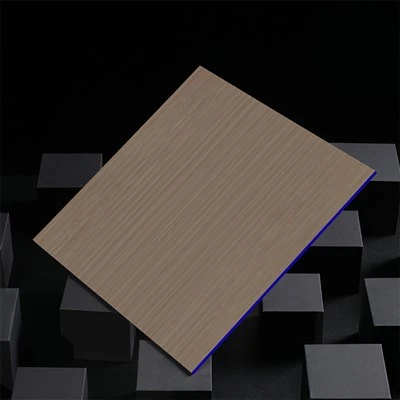
Melamine Door Panels
Description
Technical Parameters
Chongqing Qianrun New Material Technology Co., Ltd. is a company engaged in new material technology research and development, technical services, technology development and other businesses. The company's main products: Melamine wood door, decorative panel, door skin, engineered veneer and other products.
Rich Product Range
Our company can produce graphite waterproofing sheets, graphite door panel laminates, graphite high density molded door panels, melamine molded door skins, melamine door skins, wooden door panels, plywood door skins and more.
Leading Service
We have many years of industry experience and a complete production management, quality supervision, sales service operation system. Whether you are looking to purchase graphite flashing or wooden door panels, just email your requirements and we can customize the product for you.
Quality Guaranteed
The sapphire health-care door skin exclusively developed by our company meets the environmental protection standard of the wooden door industry - enf level, and the formaldehyde emission is far lower than E0 level and E1 level.
Customizable
All our products can be OEM/ODM customized. Whether it's intricate patterns, beveled edges or unique sizes; our processing capabilities allow us to create custom designs and customize our products.

Melamine molded door skins are an innovative and stylish solution for interior doors, combining durability, aesthetics, and affordability. These door skins are made from melamine-impregnated paper, which is pressed onto a medium-density fiberboard (MDF) or high-density fiberboard (HDF) core.

Wood veneer door skins are carefully manufactured using the highest quality natural wood veneers sourced from sustainable forests without any impact on the environment. Each door skin is a testament to the beauty of nature, capturing the intricate patterns and textures of different wood species.

Wood Door Skin Panels are made from high-quality wood fibers that are not only beautiful but also durable. They resist daily wear and tear, ensuring your doors stay looking new for years, even in high-traffic areas. Each panel is carefully crafted to highlight unique textures, textures and colors to create a stunning visual treat for your door.

Melamine door skin refers to a type of decorative material used to cover the exterior surface of doors. It is made from melamine resin, which is a hard, durable plastic that can be pressed into various patterns and colors to resemble wood or other materials. The melamine is applied as a thin layer over a substrate, typically medium-density fiberboard (MDF) or plywood, creating a veneer that is both aesthetically pleasing and resistant to wear and tear.

Plywood door skin is a thin sheet of plywood used to cover and finish the surface of a door. Plywood is an engineered wood product made by gluing together layers of wood veneer with the grain of each layer running at right angles to the next. This cross-grain layout provides strength and stability to the plywood, making it suitable for use as a door skin.

Crafted with utmost precision, these door skins redefine the concept of interior elegance. Our Wooden Door Skin Plywood is manufactured using high-quality natural wood veneer, adhered to a sturdy plywood core, ensuring superior strength and stability. This fusion of authentic wood and robust construction makes our door skins resistant to warping, cracking, and other forms of damage, ensuring longevity and durability.

A birch door skin is a thin panel made from birch plywood or veneer designed to cover and enhance the exterior surface of a door. Birch is a hardwood species known for its strength, durability, and smooth texture, which makes it an ideal material for use in door manufacturing. The skin is usually applied to the face of a door's core, which could be made from MDF (medium-density fiberboard), solid wood, or another composite material.

Kitchen door skins refer to the decorative coverings applied to the front surfaces of cabinet doors in a kitchen setting. These skins are designed to protect the cabinet doors from spills, stains, heat, and daily usage while providing an attractive and cohesive look to the kitchen's interior. They are available in various materials, including thermofoil, laminate, veneer, or solid wood, each offering different levels of durability, maintenance, and aesthetics.

Skin door laminate is a type of covering used to provide a new finish or update the look of existing doors without replacing them entirely. It's a thin layer of material, usually made from PVC or a similar plastic, that is designed to be applied directly to the surface of a door. This laminate skin comes in a variety of designs, including patterns that imitate wood grain, solid colors, and textured finishes.
What Is Melamine Door Panels
Melamine door panels are a type of interior door commonly used in residential and commercial settings due to their durability, cost-effectiveness, and ease of maintenance. These panels are made by bonding a decorative melamine paper onto a substrate, typically medium-density fiberboard (MDF) or particleboard. The melamine paper has a three-dimensional design that gives the door panel a realistic wood grain or other desired finish.
Features of Melamine Door Panels
Lightweight
Melamine boards are lightweight, mildew-proof, fire-proof, heat-resistant, earthquake-resistant, low-maintenance, renewable, fully in accordance with the defined policy of energy conservation, consumption management, and environmental conservation.
Variety of Design Styles
Melamine comes in a variety of textures and genuine wood grains, and melamine panels are a low-cost, versatile alternative for integrating color, complexity, as well as finishes to various projects and designs.
Low Cost
Melamine is a low-cost solution that does not sacrifice quality or durability. It can help you save a lot of money and time during installation as it does not require sanding or finishing like real wood.
Resistant to Staining
The non-porous nature of melamine makes it resistant to stains, which is particularly beneficial in kitchens and bathrooms where spills are common.
Types of Melamine Door Panels
Slab Doors
Slab Doors are flat panels without any framing or grooves. They provide a clean, modern look and are easy to clean because there are no recessed areas for dirt to accumulate.
Raised Panel Doors
Raised Panel Doors have a central panel that is slightly higher than the surrounding frame, giving the door a traditional, decorative look. The raised panel can be flat on the top or have additional detailing.
Veneer Doors
Veneer Doors have a thin layer of real wood veneer applied over a melamine core. They offer the look of solid wood at a lower cost and with improved durability.
Shaker Doors
Characterized by their simple, recessed panel design, shaker doors offer a minimalistic and classic appearance. They are versatile and can complement many interior design styles.
How to Choose Melamine Door Panels
Board Structure
There are currently three types of melamine boards on the market with different materials and structures. They are: the first type is a melamine board with a board core that is bonded to MDF and a melamine finish. This kind of board is not environmentally friendly, cannot be nailed repeatedly, and has no internal stress. balance, which leads to the problem of easy deformation; the second type is the melamine board with three plywood attached to the core base material. This kind of board market generally shows that it is easy to open the glue; the third type is the melamine board with the board core plus a middle board and then melamine facing. , although it has high adhesiveness and strong stability, it has extremely high process requirements.
Carbonization Point on Board Surface
Carbonization points refer to the small rough patches seen on the smooth surface of the melamine board when viewed at a 45-degree angle under good light. Generally speaking, the fewer charring points, the better the quality of melamine board.
Environmental Protection Factor
The environmental protection grade of high-quality tricyanide sheets should reach E1 level and above. Consumers can smell the product to see if it is pungent when choosing. If it is obviously irritating, it is not environmentally friendly.

Clean Regularly
Wipe down melamine door panels with a soft cloth or a sponge using warm soapy water. Avoid harsh chemicals, abrasive cleaners, and steel wool as they can scratch or damage the surface.
Protect From Heat
Keep melamine doors away from sources of direct heat, such as radiators, ovens, or direct sunlight, as excessive heat can cause the material to warp or discolor.
Avoid Moisture
While melamine is moisture-resistant, it's not waterproof. Wipe up spills promptly and avoid leaving wet items on or against the door panels for extended periods.
Prevent Scratching
Use coasters under drinks, place protective pads under heavy objects, and be mindful when moving furniture to prevent scratches and dents.
Touch-up Marks
For minor scuffs or marks, use a melamine repair kit or a touch-up pen specifically designed for the material to restore the finish.
Repair Damage
If there is significant damage, consider hiring a professional to refinish or replace the affected panel rather than attempting to repair it yourself, which could result in further damage.
How to Store Melamine Door Panels
Clean Before Storage
Ensure the panels are clean and dry before storage. Any dirt or moisture can lead to stains or warping over time.
Protect From Direct Sunlight
Store melamine panels in an area that does not receive direct sunlight to avoid fading and discoloration. If possible, use a UV-protective covering or store them in a dark space.
Keep Away From Heat Sources
Store the panels at a safe distance from heat sources such as radiators, heating vents, or appliances that generate heat. Excessive heat can cause the melamine to warp or delaminate.
Stack Carefully
When stacking melamine panels, place them flat on a stable, even surface. Use protective corner blocks or foam between each panel to prevent scuffing and chipping during handling or storage.
Avoid Pressure on Edges and Corners
Do not apply pressure on the edges and corners of the panels as they are more vulnerable to damage. Ensure the weight is distributed evenly across the panels.
Use Proper Packaging
If the panels need to be stored for an extended period, consider wrapping them in plastic sheeting or bubble wrap to provide an extra layer of protection against dust, moisture, and potential impacts.
Store Indoors
Ideally, keep melamine door panels indoors in a climate-controlled environment to minimize exposure to extreme temperature and humidity fluctuations.
Check Regularly
If the panels are stored for a long time, check them occasionally for signs of damage or deterioration. If any issues are found, address them promptly to prevent further damage.
Certificate


Frequently Asked Questions
Q: What are melamine door panels?
Q: What are the advantages of melamine door panels?
Q: Can melamine door panels be painted?
Q: How do I clean melamine door panels?
Q: Are melamine door panels fire-resistant?
Q: Can melamine door panels be used outdoors?
Q: How do I install melamine door panels?
Q: What are the most common types of melamine door panels?
Q: Can melamine door panels be repaired if damaged?
Q: How do I choose the right melamine door panel for my home?
Q: What is the expected lifespan of melamine door panels?
Q: Are melamine door panels eco-friendly?
Q: Can melamine door panels be used for bathrooms?
Q: How much do melamine door panels cost?
Q: Can melamine door panels be matched with existing doors?
Q: What hardware is compatible with melamine door panels?
Q: Can melamine door panels be used for closet doors?
Q: How do I maintain the finish of melamine door panels?
Q: Can melamine door panels be used for exterior applications?
Q: What is the warranty on melamine door panels?
Hot Tags: melamine door panels, China melamine door panels manufacturers, factory
Previous
Skin Door LaminateNext
Melamine Door SkinSend Inquiry