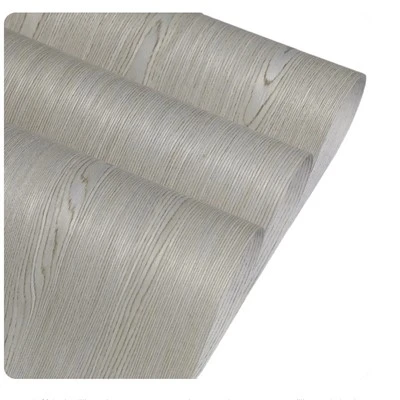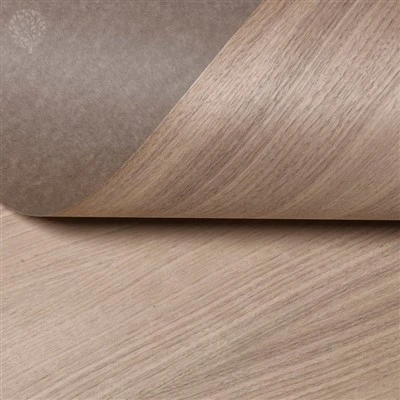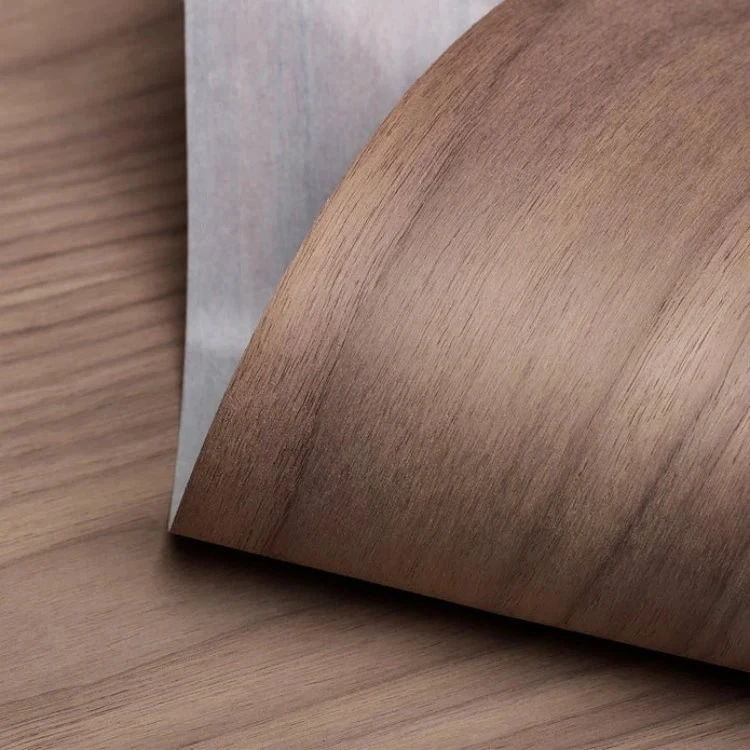
Ash Burl Veneer
Description
Technical Parameters
Chongqing Qianrun New Material Technology Co., Ltd. is a company engaged in new material technology research and development, technical services, technology development and other businesses. The company's main products: Melamine wood door, decorative panel, door skin, engineered veneer and other products.
Rich Product Range
Our company can produce graphite waterproofing sheets, graphite door panel laminates, graphite high density molded door panels, melamine molded door skins, melamine door skins, wooden door panels, plywood door skins and more.
Leading Service
We have many years of industry experience and a complete production management, quality supervision, sales service operation system. Whether you are looking to purchase graphite flashing or wooden door panels, just email your requirements and we can customize the product for you.
Quality Guaranteed
The sapphire health-care door skin exclusively developed by our company meets the environmental protection standard of the wooden door industry - enf level, and the formaldehyde emission is far lower than E0 level and E1 level.
Customizable
All our products can be OEM/ODM customized. Whether it's intricate patterns, beveled edges or unique sizes; our processing capabilities allow us to create custom designs and customize our products.

Woven veneer, also known as woven wood veneer, is a unique and visually striking material that combines the natural beauty of wood with intricate weaving techniques. Unlike traditional veneers, woven veneer is created by weaving thin strips of wood together, forming intricate patterns and textures. This weaving process enhances the wood's natural grain and creates captivating visual effects, adding depth and dimension to the material.

Edgebanding veneer is a thin strip of real wood veneer used to cover and enhance the exposed edges of plywood, MDF, or particleboard. It provides a polished and seamless finish, concealing the raw edges of the substrate material while adding durability and aesthetic appeal. Edgebanding veneer comes in various wood species, grains, and finishes, allowing for versatile applications that match different furniture designs and styles.

Our Inner Decoration Skin Veneer is engineered for longevity. They are treated with advanced coatings that provide excellent resistance against scratches, stains, and moisture, ensuring that your doors maintain their pristine appearance for years to come. The veneer skins are also lightweight, making them easy to handle and install, saving both time and effort during the construction or renovation process.

Carpathian Elm Burl Veneer is a premium wood veneer known for its exceptional beauty and distinctive grain patterns. Sourced from the burls of Carpathian Elm trees, this veneer showcases intricate swirling designs and a mix of warm brown tones, creating a visually captivating and luxurious appearance.

Burr veneer, renowned for its exquisite and intricate patterns, is a type of wood veneer derived from burl wood. Burl wood is a growth on a tree that results from various factors, such as stress, injury, or fungus, leading to the formation of unique, swirling grain patterns within the wood. Burr veneer is meticulously crafted by slicing these burls into thin sheets, showcasing the mesmerizing and highly prized swirling designs.

Mapa burl veneer is a luxurious and rare wood veneer harvested from the burls of Mapa trees. Burls are unique growths on the tree, resulting in intricate and captivating patterns within the wood. Mapa burl veneer is meticulously sliced into thin sheets, preserving the natural swirling designs and creating a visually stunning surface.

Burl wood veneer sheets are thin slices of burl wood, a type of wood that grows on the trunk or branches of a tree as a rounded outgrowth. The burl is prized for its unique figure and patterns, which result from the irregular and knotted growth of the wood. These patterns create a distinctive aesthetic appeal that is highly sought after in furniture and decorative applications.

Redwood burl veneer is a highly prized and visually striking wood veneer sourced from the burls of redwood trees, renowned for their exceptional beauty and rarity. These veneer sheets showcase the unique swirling and intricate patterns inherent to redwood burls, making each piece a natural work of art.

Large burl veneer sheets offer a unique and exquisite solution for interior designers and woodworking enthusiasts looking to add a touch of natural beauty and sophistication to their projects. These sheets are crafted from the finest burls, showcasing intricate and captivating grain patterns that are truly one-of-a-kind.
What Is Ash Burl Veneer
Ash Burl Veneer is a type of wood veneer known for its distinctive and attractive grain patterns, which are created by the burled growth found in some ash trees. Burl refers to a rounded, knobby protrusion on a tree trunk that results from abnormal growth patterns, often caused by injury, disease, or insect infestations. These growths cause the wood to have a highly figured and sometimes irregular grain, making each piece unique.
Features of Ash Burl Veneer
Distinctive Grain Patterns
He most striking feature of Ash Burl Veneer is its highly figured and swirling grain pattern. The burl growth creates a three-dimensional effect, with intricate twists and turns that are visually captivating.
Rarity
Burls do not occur on all trees, and even when they do, they may be small or not suitable for veneer production. This rarity adds to the value and exclusivity of Ash Burl Veneer.
Color Variation
Ash Burl Veneer can exhibit a range of colors, from light browns to rich tones with dark streaks. The color palette can vary depending on the specific tree and the part of the burl used.
Texture
The surface of Ash Burl Veneer is usually very textured, adding to its tactile appeal. This texture is a result of the irregular growth patterns within the burl.
Durability
Ash wood is known for its strength and durability, and Ash Burl Veneer retains these properties. It is resistant to wear and can be a good choice for areas subject to heavy use.
Crotch Burl Veneer
Crotch Burl Veneer is named for the way the growths on trees form a Y shape, with one limb pointing up and another extending down toward the ground. Crotch veneer is usually the most expensive type. This is because it's created when two trees grow intertwined, which makes for an especially beautiful piece of wood with exquisitely patterned swirls and lines.
Burl Veneers
Burl Veneers are typically sold in either quarter or half sheets. A full sheet can also be sourced, but this choice is usually reserved for the largest projects.
Crotch Veneer
Crotch veneer is best suited to large and complex surfaces like doors, cabinets, and tabletops. It's not suitable for smaller items like boxes or bowls because it would be difficult to cut small pieces from a full sheet of crotch veneer without wasting too much wood.
Circular Burl Veneer
Circular Burl Veneer is a type of burl that grows in a circular pattern. It's usually less expensive than other types of burl veneer and is, therefore, a good choice for budget-minded projects.
Circular Burl Veneer
Circular burl veneer is best suited for smaller items like boxes, bowls, and pens. It can also be used for larger projects, but the patterns won't be as intricate as those found in other types of burl veneer.
Flame Burl Veneer
Flame Burl Veneer is a type of burl that has a wavy or flame-like pattern. It's usually less expensive than other types of burl veneer and is, therefore, a good choice for budget-minded projects.
Project Requirements
Determine the purpose of the veneer. Consider whether it will be used for indoor or outdoor applications, as this will influence the choice of veneer based on durability and finish requirements.
Grain and Figure Preference
Ash Burl Veneer offers a variety of grain patterns. Look at samples to find the level and style of figuring that best suits your design aesthetic. Some burls have more dramatic swirls, while others may be subtler.
Color Consistency
Since burls are naturally occurring, color and grain variation are to be expected. Decide how much variation you are comfortable with, or if you need a more consistent look, which might require blending multiple sheets or using a backing veneer.
Quality
Inspect the veneer for any defects such as knots, cracks, or inconsistencies. High-quality veneer should have smooth surfaces and well-defined grain patterns with minimal imperfections.
Thickness and Slicing Method
Veneer can be sliced in various ways (e.g., rotary cut, quarter-sawn, or plain-sawn), which affects the look and structural integrity. Thicker veneers are more forgiving during installation and can be sanded or refinished more easily.
Sustainability
Given the threats to ash trees, verify the source of the veneer. Look for suppliers that practice sustainable forestry or use reclaimed burl wood. Ensure that the veneer is legally harvested and responsibly obtained.
How to Install Ash Burl Veneer
Prepare the Surface
Ensure the surface where you will be applying the ash burl veneer is clean, smooth, and free of dust, grease, or other contaminants. If needed, sand the surface to create a smooth and even base for the veneer.
Cutting the Veneer
Measure the dimensions of the surface area where you will be applying the ash burl veneer. Cut the ash burl veneer sheets slightly larger than the dimensions of the surface to allow for trimming and adjustments.
Applying Adhesive
Apply a thin, even layer of veneer adhesive to both the back of the ash burl veneer sheet and the surface where it will be installed. Allow the adhesive to set according to the manufacturer's instructions. Some adhesives require a specific waiting time before bonding.
Positioning the Veneer
Carefully place the ash burl veneer sheet onto the prepared surface, ensuring it is aligned properly. Use a veneer roller or a flat, smooth object to press the veneer firmly onto the surface, removing any air bubbles and ensuring good adhesion.
Trimming the Veneer
Once the veneer is securely bonded to the surface, use a sharp utility knife or veneer saw to trim the excess veneer along the edges. Trim carefully to achieve clean and precise cuts.
Applying Pressure
Apply even pressure across the entire surface of the veneer using a veneer press, clamps, or a weighted board. This helps ensure a strong bond between the veneer and the substrate. Allow the adhesive to cure fully as per the manufacturer's recommendations before removing the pressure.
Finishing Touches
Sand the edges of the veneer to smooth out any rough spots or overhanging edges. Apply a finish or sealant to the ash burl veneer to protect it from moisture, scratches, and UV damage. Choose a finish that enhances the natural beauty of the wood.
Maintenance
Follow the maintenance tips for veneer mentioned earlier to ensure the longevity and beauty of the ash burl veneer.
How to Maintain Ash Burl Veneer
Regular Cleaning
Dust the surface of the ash burl veneer regularly with a soft, dry cloth to remove dust and debris. Avoid using abrasive materials or harsh cleaners, as they can scratch or damage the surface.
Gentle Cleaning Solutions
For deeper cleaning, dampen a soft cloth with water or a mild, non-abrasive wood cleaner. Wipe the surface gently in the direction of the wood grain to remove any dirt or stains. Immediately dry the surface with a clean, dry cloth to prevent moisture damage.
Avoid Exposure to Sunlight and Heat
Direct sunlight and heat can cause the ash burl veneer to fade, dry out, or become discolored over time. Place furniture or objects containing ash burl veneer away from windows, radiators, and other sources of heat and sunlight.
Use Coasters and Mats
Protect the ash burl veneer from water rings, scratches, and stains by using coasters, placemats, or felt pads under items such as cups, glasses, and decorative objects. This helps prevent damage to the veneer surface.
Handle With Care
When moving or handling furniture or objects with ash burl veneer, lift and carry them rather than dragging or sliding them across surfaces. This helps prevent accidental damage to the veneer and its edges.
Inspect Regularly
Periodically inspect the ash burl veneer for any signs of damage, such as scratches, dents, or loose edges. Promptly address any issues to prevent further deterioration.
Maintain Proper Humidity Levels
Ash burl veneer, like all wood products, can be affected by changes in humidity levels. Maintain a stable indoor humidity level to prevent the wood from expanding, contracting, or warping.
Certificate


Frequently Asked Questions
Q: What Is Ash Burl Veneer?
Q: How Is Ash Burl Veneer Made?
Q: What Are the Characteristics of Ash Burl Veneer?
Q: How Do You Care for Ash Burl Veneer?
Q: Can Ash Burl Veneer Be Refinished?
Q: Is Ash Burl Veneer Sustainable?
Q: How Should Ash Burl Veneer Be Stored?
Q: What Projects Are Suitable for Ash Burl Veneer?
Q: How Does Ash Burl Veneer Compare to Other Veneers?
Q: Can You Patch Ash Burl Veneer Scratches or Damage?
Q: What Is the Difference Between Ash Burl Veneer and Solid Ash Wood?
Q: How Can I Identify Genuine Ash Burl Veneer?
Q: What Is the Cost of Ash Burl Veneer?
Q: Is Ash Burl Veneer Difficult to Work With?
Q: How Does Humidity Affect Ash Burl Veneer?
Hot Tags: ash burl veneer, China ash burl veneer manufacturers, factory
Previous
Woven VeneerSend Inquiry